OM301
TCM Treat Ophthalmology and Ears, Nose, Throat
Traditional Chinese Medicine (TCM) uses a variety of herbs to treat ophthalmology (eye disorders) and otorhinolaryngology (ears, nose, and throat disorders). These herbs are chosen based on their specific properties and their ability to address the underlying causes of the condition.
TCM herbs are typically used in formulas that combine multiple herbs to enhance their effects and address multiple aspects of the condition. These formulas are often prescribed by a qualified TCM practitioner based on the individual's specific symptoms and constitution. It's important to consult with a healthcare provider before using any herbs, especially if you are pregnant, nursing, or taking medication.
Here is some common illness could treat with TCM.
-
Otology
-
Anatomy
-
Signs
-
Otitis Media
-
Deafness
-
Tinnitus
Otology - Ears Disease
Rhinology - Nose Disease
Pharyngology - Throat Disease
Anatomy and Physiology of the Ear
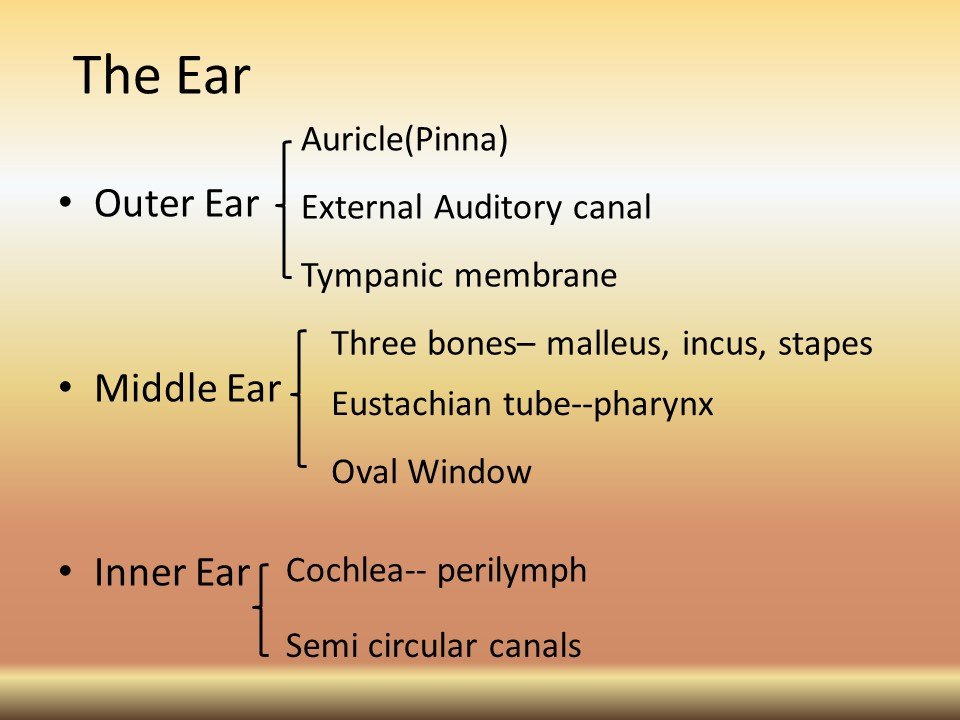
Ear
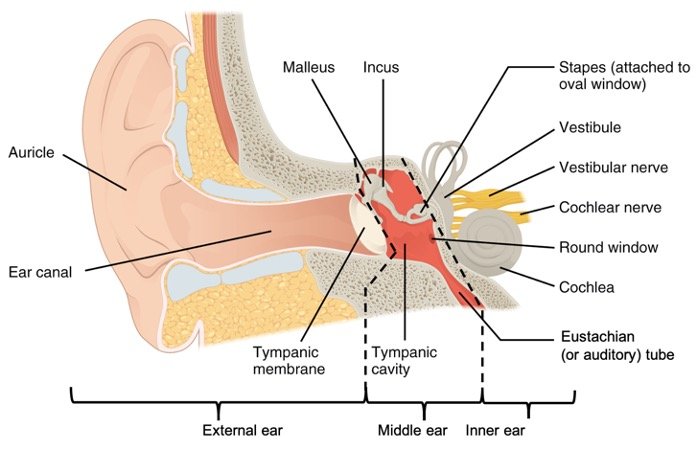
Differentiation of Symptoms and Signs:
•1. Ear pain
•2. Discharge (Pus from ear)
•3. Tinnitus
•4. Deafness
Acute Otitis Media
•It refers to acute infection caused by invasion of suppurative - bacteria in mucous membrane and periost of the middle ear.
•Clinically it is characterized by ear pain, fever, and pus effusion in the ear.
•It is similar to the category of "Suppurative Ear of Excessive Type" in Chinese medicine. It is a common problem in otology and often happens in children.
Clinical Manifestations
1. Ear pain, even throbbing pain, is progressively aggravated so that sleeping often be influenced.
•As soon as tympanic membrane perforates, ear pain and body temperature would be relieved and decreased markedly.
•2. Accompanied by high fever, aversion to cold, headache and uncomfortable sensation in the whole body.
•3. Conductive decrease of hearing ability, accompanied by tinnitus.
•4. pus effusion in the ear
Type and Treatment
• 1) Invasion of wind-heat evils
•Symptoms and Signs: pain inside the ear, stuffy ear, tinnitus, decrease of hearing ability; in sick children, there are frequent cry, ear pain becomes relieved, and the symptoms become stable after pus is released.
•The accompanied symptoms are high fever, aversion to cold, restlessness, nausea, and convulsion, headache, nasal discharge, thin and white tongue coating, superficial and rapid pulse.
•Therapeutic Method: Expelling wind and clarifying heat and discharge of pus.
Yin Qiao San
• Jin Yin Hua -9 g
• Lian Qiao 9 g
• Jie Geng 6 g
• Bo He 6 g
• Zhu Ye 4 g
• Niu Bang Zi 9 g
• Gan Cao 5 g
• Jing Jie 5 g
• Dan Dou Chi 5 g
• All herbs are cooked with Lu Gen
Modification: In the case of bitter taste in the mouth and dry throat, add Xiakucao15g of and Chaihu10g; in the case of cough add Sangbaipi 15 g of and Xingren10 g
• 2) Damp and heat in the liver and gallbladder
•Symptoms and Signs: Severe ear pain, throbbing pain or piercing pain radiating to the head, decrease of hearing ability, yellow and sticking pus, conduction deafness.
•accompanied by red cheeks, red eyes, dry throat, bitter taste in the mouth, constipation, yellow urine; yellow and grease tongue coating, wiry and rapid pulse.
•Therapeutic Method: Clear liver and gallbladder heat and damp elimination and pus discharge.
Long dan Xie gan Tang
• Long Dan Cao 6 g
• Huang Qin 9 g
• Zhi Zi 9 g
• Ze Xie 12 g
• Mu Tong * 9 g
• Che Qian Zi 9 g
• Dang Gui 3 g
• Sheng Di Huang 9 g
• Chai Hu 6 g
• Sheng Gan Cao 6 g
Modification: In the case of constipation, add unprepared Dahuang10 g; in the case of thirst, add Shihu10 g of and Tianhuafen10 g
Chronic otitis media
The disease is due to delayed or improper treatment of acute suppurative otitis media which has eventually changed into chronic disease. Or it is the direct continuation of acute otitis media. • Nasal and pharyngeal are the important pathogenic factors as well.
1 . Syndrome of dampness intermingled with asthenia of the spleen
• Main syndromes and signs:
• Pus inside the affected ear is mostly intermittent.
• The patient has pale complexion, poor appetite, lassitude, fatigue and loose stool. The tongue is pale with white and greasy fur and the pulse is soft.
• Therapeutic methods: Invigorating qi and strengthening the spleen, removing dampness and obstruction of orifices.
Shen ling Bai zhu San
• Ren Shen 10 g
• Bai Zhu 10 g
• Fu Ling 10 g
• Shan Yao 10 g
• Zhi Gan Cao 10 g
• Bai Bian Dou 7.5 g
• Yi Yi Ren 5 g
• Lian Zi 5 g
• Sha Ren 5 g
• Jie Geng 5 g
Modification: In the case of loose stool, add Shengma10 g of and Chaihu10 g; in the case of profuse pus, Yiyiren15 g and Jiegeng6 g
2. Syndrome of deficiency of the kidney
• Main symptoms and signs:
• The pus discharge inside the ear is prolonged, sticky and thick, with odour, and is often intermingled with blood.
• The patient suffers from dizziness, fatigue and aching pain in loins and knees. The tongue is red with a bit of fur and the pulse is thready and rapid.
• Therapeutic methods: Strengthening the kidney, eliminating pathogenic factors and removing the obstruction of orifices.
Zhi bai Di huang Wan
Zhimu10 g
• Huangbai 10g
• Sheng Di Huang 15g
• Shan Zhu Yu 10g
• Shan Yao 10g
• Fu Ling 10g
• Ze Xie 10g
• Mu Dan Pi 6g
3. Syndrome of hyperactivity of the liver due to kidney Yin deficiency
• Main symptoms and signs:
• Pus inside the ear is sometimes profuse and sometimes scanty. There exists the substance like bean dregs with special foul odour in the pus. The patient has severer conduction deafness or mixed deafness.
• red tongue with thin fur, thready and rapid pulse.
Therapeutic methods, Strengthening the kidney, clearing away heat and purging fire from the liver.
Zhi bai Di huang Wan combination with Long dan Xie gan Tang
• Zhimu10 g
• Huangbai 10g
• Sheng Di Huang 15g
• Shan Zhu Yu 10g
• Shan Yao 10g
• Fu Ling 10g • Ze Xie 10g
• Mu Dan Pi 6g
• Long Dan Cao 6 g
• Huang Qin 9 g
• Zhi Zi 9 g
• Ze Xie 12 g
• Mu Tong * 9 g
• Che Qian Zi 9 g
• Dang Gui 3 g
• Sheng Di Huang 9 g
• Chai Hu 6 g
• Sheng Gan Cao 6 g
Sudden Deafness
Clinical Manifestations
l. Sudden onset, deafness usually reaches its highest severity in 24 hours.
2. Often accompanied by tinnitus, vertigo, stuffy and distending sensation in the ear.
3. There is no obvious affection in the external auditory canal, tympanic membrane and auditory tube.
4. Audiometry shows nervous deafness.
Type and Treatment
1. Syndrome of attack by wind and heat
•Main symptoms and signs: Hypoacusis with sudden onset, tinnitus like blowing wind,
•accompanying symptoms of headache, nasal obstruction, nasal discharge, cough, or fever and aversion to cold, red lingual tip, floating and rapid pulse.
•Therapeutic methods: Dispelling wind, expelling pathogenic factors to improve hearing.
•Sang ju Yin
• Sang Ye 7.5 g
• Ju Hua 3 g
• Xing Ren 6 g
• Lian Qiao 5 g
• Bo He 2.5 g
• Jie Geng 6 g
• Gan Cao 2.5 g
• Lu Gen 6 g • Modification:
• In the case of dry throat with a bitter taste, add Xiakucao15 g
• in the case of More tympanic fluid add Cheqianzi10 g, Zexie10 g and Sangbaipi 10g
•2. Syndrome of liver fire stirring the upper
•Main symptoms and signs: Onset after great anger or emotional depression with sudden hypoacusis. intra-aural distension and fullness with tinnitus, dizziness,
•conjunctiva congestion, red tongue with thin yellowish fur, wiry and rapid pulse.
•Therapeutic methods: Clearing away heat from the liver and purging fire, promoting qi flow and removing obstruction of orifices.
Long dan Xie gan Tang
Long Dan Cao 6 g
Huang Qin 9 g
Zhi Zi 9 g
Ze Xie 12 g
Mu Tong * 9 g
Che Qian Zi 9 g
Dang Gui 3 g
Sheng Di Huang 9 g
Chai Hu 6 g
Sheng Gan Cao 6 g
•3. Syndrome of stagnation of phlegm and fire
•Main symptoms and signs: Sudden hypoacusis or with accompanying tinnitus, cloudiness of the tympanic membrane. deafness found by audiometry,
•thoracic fullness, nausea, expectoration with yellow colour, red tongue with yellowish and greasy fur, slippery and rapid pulse.
•Therapeutic methods: Purging fire and resolving phlegm, regulating qi and removing obstruction of orifices.
Er chen Tang
•Ban Xia 15 g
• Chen Pi 15 g
• Fu Ling 9 g
• Zhi Gan Cao 5 g
•Sheng Jiang 3 g
• Wu Mei 1 piece
Senile Deafness
•It refers to the progressive decrease of hearing ability on both ears after middle age and it is often related to heredity.
•Clinically it is characterized by bilateral, chronic and progressive deafness, and it belongs to the category of "Deafness due to Kidney Deficiency" in Chinese medicine.
•Clinical Manifestations
•1. It often starts after 50 years old, the hearing ability decreases progressively, and especially hearing ability of high frequency decreases first.
•2. The decrease of the hearing ability is symmetrical on both sides, diagnosed as nervous deafness without vibration.
Type and Treatment
• (1) Insufficiency of kidney essence
•Symptoms and Signs: Progressive decrease of the hearing ability in both ears,
•accompanied by soft tinnitus which is relieved in the mornings and aggravated in the evenings, decrease in mentality, slow in action, weakness in feet, impotence, pale tongue, scanty tongue coating, thready and rapid pulse.
•Therapeutic Method:
•Nourishing the kidney, replenishing essence and relieving deafness.
Liu wei di huang Wan
• Shu Di Huang 24 g
• Shan Zhu Yu 12 g
• Shan Yao 12 g
• Fu Ling 9 g
• Ze Xie 9 g
• Mu Dan Pi 9 g
• (2) Deficiency of kidney Qi
•Symptoms and Signs: Progressive deafness, slight tinnitus,
•accompanied by shortness of breath due to exertion, loose stool, urine in large volume, enuresis, dribbling of urine, pale tongue,
•white tongue coating, deep and feeble pulse.
•Therapeutic Method: Tonifying the kidney, benefiting Qi and relieving deafness.
You Gui Wan
• Lu Jiao Jiao 6 g
• Rou Gui 9g
• Fu Zi 9g
• Shu Di Huang 15g
• Shan Yao 15g
• Shan Zhu Yu 15g
• Gou Qi Zi 9g
• Tu Si Zi 45g
• Du Zhong 9g
• Dang Gui 12g
Nervous Tinnitus
•It refers to the disease characterized clinically by high-pitch tinnitus and without dysfunction in the hearing ability.
•Clinical Manifestations
1. Continuous high-pitch tinnitus, aggravated at night.
2. Mostly, subjective tinnitus.
3. Mostly, normal hearing ability.
Type and Treatment
•(1) Insufficiency of kidney- Yin
•. Symptoms and Signs, Slight and continuous tinnitus in cicada’ s chirp, aggravated at night,
•warm sensation in five centres, soreness and weakness in low back and knees, dizziness and blurring of vision, red tongue, scanty tongue coating, thready and rapid pulse
•Therapeutic Method, Tonifying Yin, subsiding fire and stopping tinnitus.
Zhi bai di huang wan • add Cishi 30g, muli 30g
Zhimu10 g
Huangbai 10g
Sheng Di Huang 15g
Shan Zhu Yu 10g
Shan Yao 10g
Fu Ling 10g
Ze Xie 10g
Mu Dan Pi 6
•(2) Deficiency in the heart and spleen Qi
•Symptoms and Signs: Deficient tinnitus,
•aggravated by fatigue and standing up, lustrous less facial complexion, palpitation, insomnia, pale lips, pale tongue, thin and white tongue coating, thready and weak pulse.
•Therapeutic Method: Tonifying and benefiting the heart and spleen Qi.
Gui Pi Tang
• Dang Shen 15 g
• Huang Qi 12 g
• Bai Zhu 9 g
• Zhi Gan Cao 8 g
• Fu Shen 9 g
• Suan Zao Ren 30 g
• Long Yan Rou 12 g
• Dang Gui 12 g
• Yuan Zhi 12 g
• Mu Xiang 9 g
• Sheng Jiang 6 g
• Da Zao 3–5 pieces
•(3) Excessive of liver fire
•Symptoms and Signs: Loud tinnitus, aggravated by emotional disturbance,
•accompanied by headache, ear pain, flushed cheeks, red eyes, distending pain in the chest and hypochondria,
•Red tongue, yellow tongue coating, wiry and rapid pulse.
•Therapeutic Method, Cleaning the liver and subsiding fire.
Dan zhi xiao yao san
• Mu dan pi 9g
• Zhi zi 9g
• Chai Hu) 9 g
• Dang Gui 9 g
• Bai Shao Yao 9 g
• Bai Zhu 9 g
• Fu Ling 9 g
• Zhi Gan Cao 4.5 g
• Sheng Jiang 6 g
• Bo He 3g
-
Rhinology
-
Anatomy
-
Signs
-
NASAL BLEEDING
-
Rhinitis
-
Sinusitis
Rhinology - Nose Disease
Nasal Bleeding
Chronic Rhinitis
Sinusitis
Anatomy and Physiology of the Nose
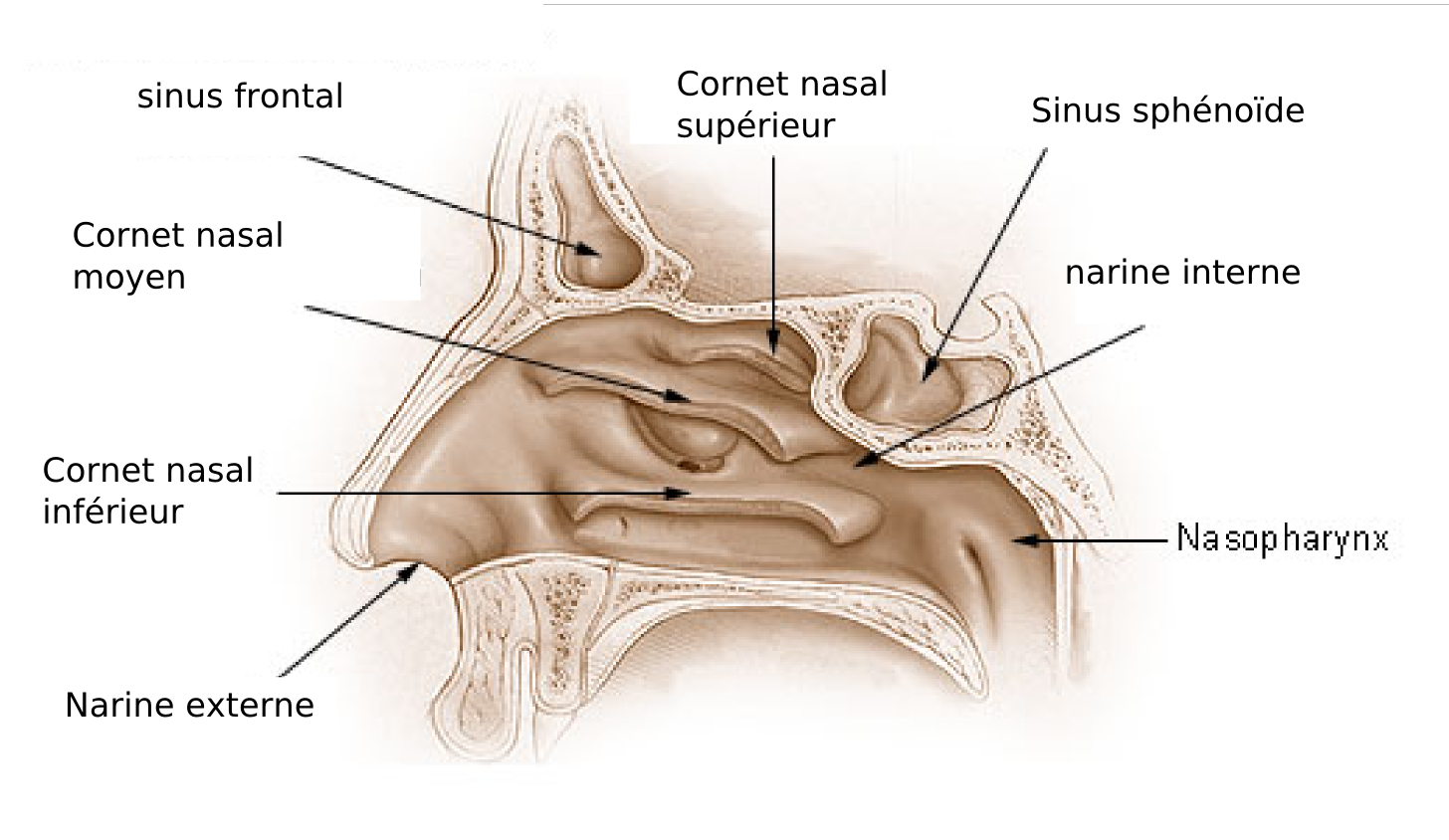
Differentiation of Symptoms and Signs:
►1. Nasal obstruction
► 2. Nasal discharge
NASAL BLEEDING- BI NIU
It is a common clinical symptom caused by many reasons and happening in various diseases. In mild cases, only nasal discharge is mixed with blood, and in severe cases it would endanger the patient’s life. In Chinese medicine, it is called “Bi Nu”
Clinical Manifestations
In mild cases, there is bloody nasal discharge or slight nasal bleeding. In severe cases, there is gushing nasal bleeding, very often at sudden onset. The blood can flow out from the anterior nostrils and also can flow into the throat via posterior nasal nostrils. The nasal bleeding can be intermittent, recurrent and continuous, and can happen in one nostril and also can happen in both nostrils.
Type and Treatment
(1) HEAT PREPONDERANCE IN LU MERIDIAN
Symptoms and Signs:
Dry nostrils, dry mouth, sore throat, a little nasal bleeding, nasal blood drops or bloody nasal discharge, cough, a little sputum, red tongue, thin and white tongue coating, rapid pulse.
Therapeutic Method: Expelling wind and clarifying heat for cooling blood and stopping bleeding.
SANG JU YIN
Sang Ye 7.5 g
Ju Hua 3 g
Xing Ren 6 g
Lian Qiao 5 g
Bo He 2.5 g
Jie Geng 6 g
Gan Cao 2.5 g
Lu Gen 6 g
Plus: Bai mao gen, Xue yu tang
(2) HYPERACTIVE HEAT IN THE STOMACH
Symptoms and Signs:
Profuse and gushing nasal bleeding, dry mouth, foul breath, thirst, preference in drinking water, constipation, yellowish urine, red tongue, yellow tongue coating, full and rapid pulse.
Therapeutic Method: Clearing the stomach and reducing fire for cooling blood and stopping bleeding.
QING WEI SAN
• Dang gui 10g
• Huang lian 12g
• Shen di 20g
• Mu dan pi 10g
• Sheng ma 10g
• Plus: Jin yin hua, lian qiao, Bai mao ge
(3) ASCENSION OF LIVER FIRE Symptoms and Signs: Profuse nasal bleeding, frequent reoccurance, headache, dizziness, irritability, frustration, bitter taste in the mouth, dry throat, red tongue, yellow tongue coating, wiry and rapid pulse. Therapeutic Method, Clarifying the liver and reducing fire for cooling blood and stopping bleeding.
LONG DAN XIE GAN TANG
•LONG DAN CAO 6 G
•HUANG QIN 9 G
•ZHI ZI 9 G
•ZE XIE 12 G
•MU TONG * 9 G
•CHE QIAN ZI 9 G
•DANG GUI 3 G
•SHENG DI HUANG 9 G
•CHAI HU 6 G
•SHENG GAN CAO 6 G
(4) YIN DEFICIENCY IN LIVER AND KD
Symptoms and Signs: Nasal bleeding in light red color, intermittent occurrence, dizziness, blurring of vision, tinnitus, palpitation, warm sensation in five centers, red and dry tongue, scanty tongue coating, thready and rapid pulse. Therapeutic Method: Nourishing the liver and kidney for tonifying blood and stopping bleeding.
ZHI BAI DI HUANG WAN
•ZHIMU10 G
•HUANGBAI 10G
•SHENG DI HUANG 15G
•SHAN ZHU YU 10G
•SHAN YAO 10G
•FU LING 10G
•ZE XIE 10G
•MU DAN PI 6G
(5) DEFICIENCY OF SPLEEN QI
Symptoms and Signs:
Bloody exudate of the nose in light red color, pale and lustrousless complexion, poor appetite, lassitude, pale tongue, thin and white tongue coating, slow and feeble pulse.
Therapeutic Method: Strengthening the spleen and benefiting Qi for tonifying blood and stopping bleeding.
GUI PI TANG
•DANG SHEN 15 G
•HUANG QI 12 G
•BAI ZHU 9 G
•ZHI GAN CAO 8 G
•FU SHEN 9 G
•SUAN ZAO REN 30 G
•LONG YAN ROU 12 G
•DANG GUI 12 G
•YUAN ZHI 12 G
•MU XIANG 9 G
•SHENG JIANG 6 G
•DA ZAO 3–5 PIECES
Chronic Rhinitis
►It refers to the condition in which pathogenic factor in nasal mucosa lingers and is unable to be expelled for a long time.
Clinical Manifestations
1. Intermittent, alternative or continuous nasal obstruction.
2. Swelling or hypertrophy of nasal mucosa, which is as big as mulberry fruit and in dark-red colour, especially in inferior nasal concha.
3. Mucous excretion in nasal cavity, difficult to be blown out.
Type and Treatment
• 1) Qi deficiency of the lung and spleen, with lingering evils in the nose
►Symptoms and Signs, Alternative or intermittent nasal obstruction aggravated by cold, scanty white nasal discharge,
►accompanied by cough, thin sputum, poor appetite, loose stool, pale tongue, thin and white tongue coating, slow and feeble pulse.
►Therapeutic Method, Nourishing the lung and spleen. Removing the evils and opening the orifice.
SI JUN ZI TANG + CANG ER ZI SAN
•DANGSHEN15G ,
•BAIZHU 10 G
•FULING 10G
•GANCAO 3G
•CANG ER ZI 10G
•XINYI 6 G,
•BAI ZHI 10G
•BO HE6G
Modification, swelling of the nasal mucosa with pale colour. Add Gui zhi 6g
(2) Syndrome of stagnated heat of lung meridian
Main Symptoms And Signs: Intermittent Nasal Obstruction, Speaking In Low Voice, Yellowish And Thick Nasal Discharge With Sticky Quality And Scanty Quantity, Pain And Distension Of Head, Dry Throat, Cough, Yellow, Thick And Scanty Sputum Which Is Not Easily Expectorated, Breathing With Opening Mouth In Severe Cases And Restlessness Which Affects Sleeping, Enlargement Of Inferior Nasal Conchae And Edema Of Mucosa With Reddish Colour Found During Examination, •Reddish Tongue With Yellowish Fur, Rapid Pulse. •Therapeutic Methods: Dispelling Wind And Dispersing The Lung, Clearing Away Heat And Removing Obstruction of The Orifice.
CANGERZI SAN MODIFIED
•Cangerzi10 G ,
•Xinyi 6 G,
•Baizhi10 G ,
•Bohe 6 G,
•Juhua 10 G,
•Jinyinhua 10 G ,
•Huangqin 6 G ,
•Gancao 3 G Modification:
•Fangfeng10 G
In the case of severe heat and yellowish nasal discharge, add Jinyinhua10g, Pugongying 10 g and Daqingye15 g; in the case of headache, add 6 g of Chuanxiong; in the case of cough and profuse sputum, add Chuanbeimu3 g, Qianhu10 g.
(3) Syndrome of excessive dampness due to asthenia of the spleen
•Main Symptoms And Signs, Nasal Obstruction, Speaking In Low Voice, Profuse And Thick Nasal Discharge, Longer Course Of Illness, Hyposmia, Anorexia, Loose Stool, Thoracic And Epigastric Distension With Tightness, Lassitude, Fatigue, Pale Tongue With Whitish And Greasy Fur And Soft Pulse.
•Therapeutic Methods: Strengthening The Spleen To Remove Dampness, Eliminating Turbidity To Dredge Orifice.
modified Shen ling Bai zhu San
REN SHEN 10 G
•BAI ZHU 10 G
•FU LING 10 G
•SHAN YAO 10 G
•ZHIGAN CAO 10 G
•BAI BIANDOU 7.5 G
•YI YIREN 5 G
•LIAN ZI 5 G
•SHA REN 5 G
•JIEGENG5 G
•SHICHANGPU 6 G
• XINYI 6 G,
•CANGZHU 6 G
•GANCAO 3 G .
modified Shen ling Bai zhu San Modification: In summer, add Huoxiang10 g, Peilan10 g of and Xiangru10 g; in the case of aversion to cold, add Guizhi10 g of and Xixin3 g
Acute Sinusitis
It is a commonly-encountered acute inflammation in the mucosa of the nasal sinuses.
In Chinese medicine, it is called "Bi Yuan --Sinusitis".
Clinical Manifestations
1. Decrease of smelling ability in the attack of nasal obstruction.
2. Profuse and purulent nasal discharge, yellow, turbid nasal discharge with stinking(Smelly) odour and difficulty to blow off.
3. There is painful sensation from the sinuses. Splitting headache or distension and discomfort in the head. Headache varies with the condition of sick sinuses, mostly appearing in the superficial skull in sinusitis of the anterior group of sinuses.
Type and Treatment
( 1 ) Wind-heat
►Symptoms and Signs, Nasal obstruction, profuse yellow and tenacious nasal discharge, hyposmia, pain in the forehead or temples,
►fever, aversion to cold, slight red tongue, thin and yellow tongue coating, superficial and rapid pulse.
►Therapeutic Method: Expelling wind and clarifying heat
►the modified Cang er zi San
•Cangerzi10 G ,
•Xinyi 6 G,
•Baizhi10 G ,
•Bohe 6 G,
•Sang ye 10 G,
•Ju hua 10 G ,
•Huang qin10G
•Pu gong yin 10g
•Liang qiao 10g •Gan cao 3
(2) Heat accumulation in the gallbladder
►Symptoms and Signs: Nasal obstruction, yellow, tenacious and purulent nasal discharge, hyposmia, spliting headache, fever, bitter taste in the mouth, dry throat, blurring of vision, red tongue, yellow tongue coating, wiry and rapid pulse.
►Therapeutic Method: Clarifying heat from the gallbladder for removing dampness and opening the orifice.
Long dan Xie gan Tang
•Long Dan Cao 6 g
•Huang Qin 9 g
•Zhi Zi 9 g
•Ze Xie 12 g
•Mu Tong * 9 g
•Che Qian Zi 9 g
•Dang Gui 3 g
•Sheng Di Huang 9 g
•Chai Hu 6 g
•Sheng Gan Cao 6 g
Modification:
In the case of constipation. add dahuang10 g
Chronic Sinusitis
►It often develops from acute sinusitis, clinically characterized by lingering turbid nasal discharge.
►It belongs to the category of "Bi Yuan --Sinusitis" in Chinese medicine.
•Clinical Manifestations
1. A large volume of lingering, sticking and white nasal discharge without smelly odour, decrease of smelling ability, severity of nasal obstruction, nasal obstruction relieved after blowing the nose and aggravated by exposure to wind and cold.
2. Accompanied by dizziness, distending sensation in the head shortness of breath, lassitude, low voice, reluctance in speaking.
3. Pale tongue, thin and white tongue coating, soft and slow and feeble pulse.
Type and Treatment
• (1) Lung qi deficiency
►Main symptoms and signs: Nasal discharge is whitish and greasy. Nasal obstruction is severe or mild, with hyposmia. Nasal obstruction and discharge worsen when the nose is stimulated by cold, etc.
►The general symptoms include short breath, fatigue and cough with sputum. The tongue is pale with whitish thin fur and the pulse is thready and weak.
►Therapeutic methods: Tonify lung qi, dispelling wind and dispersing cold.
Cang er zi San in combination with Bu zhong Yi qi Tang
•Cangerzi10 G ,
•Xinyi 6 G,
•Baizhi10 G ,
•Bohe 6 G,
Ren Shen 9 g
•Huang Qi 12 g
•Bai Zhu 9 g
•Zhi Gan Cao 3 g
•Dang Gui 6 g
•Chen Pi 6 g
•Sheng Ma 3 g
•Chai Hu 3 g
• (2) Qi deficiency of the spleen
►Main symptoms and signs: Nasal discharge is whitish, greasy and profuse, but free from foul odour. Nasal obstruction is severer with hyposmia.
►The general symptoms include fatigue of limbs, poor appetite, abdominal distension, loose stool and sallow complexion.
►The tongue is pale with whitish thin fur and the pulse is slow and weak.
►Therapeutic methods: Strengthening the spleen and invigorating qi, removing dampness.
the modified Shenling Baizhu San
•Ren Shen 10 g
•Bai Zhu 10 g
•Fu Ling 10 g
•Shan Yao 10 g
•ZhiGan Cao 10 g
•Bai BianDou 7.5 g
•Yi YiRen 5 g
•Lian Zi 5 g
•Sha Ren 5 g
•JieGeng5 g
•Plus:
•Shichangpu 6 g
• Xinyi 6 g,
•Cangzhu 6 g
•Cang er zi 10g
•Yu xing cao10g
•Gancao 3 g .
-
Pharyngology
-
Anatomy
-
Signs
-
Tonsillitis
-
Pharyngitis
-
laryngitis
Pharyngology - Throat Disease
Acute Tonsillitis
Chronic Pharyngitis
laryngitis
Differentiation of Symptoms and Signs:
The common symptoms in pharyngeal diseases are sore throat, dry throat, and obstructive sensation in the throat.
1.Sore throat
2. Dry throat:
3. Obstructive sensation in the throat:
Acute Tonsillitis
It refers to acute and non-specific inflammation of the palatine tonsil.
Clinical Manifestations
l. Fever around 40 'C .
2. Sore throat aggravated by swallow, even difficulty in swallow, pain radiating to the ear.
3. Redness and swelling in tonsil, purulent secretion in the opening of crypt, congestion in pharyngeal mucosa, submaxillary lymphadenovarix with tenderness.
Type and Treatment
(1) Wind-heat type
Symptoms and Signs: Fever, aversion to cold, headache, sore throat aggravated by swallow, foul breath, salivation, redness and swelling in tonsil, no obvious effusion, submaxillary lymphadenovarix with tenderness.
Red tongue, thin and white tongue coating, or thin and yellow tongue coating, superficial and rapid pulse.
Therapeutic Method: Expelling wind and clarifying heat for eliminating swelling and improving the throat.
Yin qiao San
Jin Yin Hua -9 g
Lian Qiao9 g
JieGeng6 g
Bo He 6 g
Zhu Ye 4 g
NiuBang Zi 9 g
Gan Cao 5 g
Jing Jie5 g
Dan Dou Chi 5 g
All herbs are cooked with Lu Gen
Modification,
In the case of severe red swelling of tonsil, add 15 g of Banlangen, 15 g of Daqingye to clear away heat and remove toxin;
in the case of constipation, Quan gua lou of 20 g to loose the bowel to relieve constipation.
2. Syndrome of excessive heat
Main symptoms and signs: Severe pharyngeal pain with the ear root and the submaxillary part involved. marked red swelling of tonsil with yellow-white purulent spots which gradually form the false membrane, and enlargement of the submaxillary lymph with marked tenderness when the disease is severe, fever, thirst with inclination to drink, cough with yellowish sticky sputum, foul breath, constipation, dark urine. Red tongue with yellowish thick fur, full-large and rapid pulse.
Therapeutic methods, Clearing away heat and removing toxin, relieving sore throat and diminishing swelling.
•Xiao xian xiong Tang
Gua lou 20g
Ban xia 10g
Huang liang 10g
With Yin Qiao San
Chronic Pharyngitis
It refers to the chronic pharyngeal inflammation with the main symptoms of chronic congestion of the pharyngeal mucous membrane, sensations of a foreign body, itching. burning heat. dryness and slight pain in the pharynx.
Clinical Manifestations
l. Sensations of a foreign body, itching, burning, dryness and slight pain in the pharynx.
2. Dark reddish congestion of mucous membrane of the pharynx.
Type and Treatment
(1) Pharyngitis due to Yin deficiency
Symptoms and Signs: Sensation of a foreign body in the throat, itching and slight pain in the pharynx, congested dark-reddish mucous membrane of the pharynx on examination,
slight fever after lunch, night sweat, feverish sensation in the palms and soles, dry stool or lassitude of the low back and legs, and insomnia, restlessness and dreams, little reddish tongue without coating, and thin and rapid pulse.
Therapeutic Method: Nourishing Yin and moisturizing the throat; Clearing away heat and relieving sore throat.
Bai he Gu jin Tang
Bai He 6 g
Sheng Di Huang 6 g
Shu Di Huang 9 g
Mai Men Dong 5 g
Xuan Shen 3 g
Dang Gui 3 g
Bai Shao Yao 3 g
Chuan Bei Mu 3 g
Jie Geng 3 g
Gan Cao 3 g
(2) Syndrome of qi deficiency of the lung and spleen
Main symptoms and signs:
Dryness and pain of the pharyngolarynx or with foreign body sensation which are prolonged without cure and will worsen after physical tiredness, scanty pharyngeal sputum, swelling of the pharyngeal mucosa with pale colour as well as hyperplasia of lymph follicles of the posterior pharyngeal wall discovered during examination, general symptoms of short breath with disinclination to speak, lassitude, hyperdynamia, loose stool and anorexia, pale enlarged tongue with dental marks and pale fur, thready and weak pulse.
Therapeutic methods: Strengthening the lung and spleen, diminishing swelling and relieving sore throat.
Bu zhong Yi qi Tang
Ren Shen 9 g
Huang Qi 12 g
Bai Zhu 9 g
Zhi Gan Cao 3 g
Dang Gui 6 g
Chen Pi 6 g
Sheng Ma 3 g
Chai Hu 3 g
(3). Syndrome of internal accumulation of phlegm and heat
Main symptoms and signs:
pain of the pharyngolarynx or with foreign object sensation, yellowish or whitish profuse sputum which is not easily expectorated and often causes severe cough, deep red pharyngeal mucosa, hyperplasia of lymph follicles of the posterior pharyngeal wall and marked chronic red swelling of the lateral pharyngeal bands, thirst, constipation, yellow stool, reddish tongue with yellowish greasy fur, slippery and rapid pulse.
Therapeutic methods: Clearing away heat and purging fire, resolving phlegm and relieving sore throat.
Qing qi Hua tan Wan
Dan Nan Xing 45 g
Huang Qin 30 g
Gua Lou Ren 30 g
Zhi Shi 30 g
Chen Pi 30 g
Fu Ling 30 g
Xing Ren 30 g
Ban Xia 45 g
Acute laryngitis
Acute laryngitis is the acute inflammation of the laryngeal mucosa. It is one of the commonly-seen acute infectious diseases of respiratory tract.
The disease mostly occurs in the two seasons of winter and spring. The disease is more serious if it occurs in children. The inducing pathogenic factors of the disease include the stimulation of dust and harmful gases, improper use or overuse of voice, trauma, heavy smoking and excessive drinking.
Type and Treatment
1. External attack by wind and heat
Main symptoms and signs: Hoarseness, dryness inside the larynx with itch and cough, low and gruff voice with unsmooth phonation, and pain inside the larynx, accompanying fever, slight aversion to cold, slight sweating, headache, lassitude of limbs, slightly red lingual margin with whitish thin fur, floating and rapid pulse.
Therapeutic methods: Dispelling wind and clearing away heat, dispersing the lung and promoting phonation.
Yin Qiao San
Jin Yin Hua -9 g
Lian Qiao9 g
JieGeng6 g
Bo He 6 g
Zhu Ye 4 g
NiuBang Zi 9 g
Gan Cao 5 g
Jing Jie5 g
Dan Dou Chi 5 g
All herbs are cooked with Lu Gen
2. External attack by wind and cold
Main symptoms and signs:
Hoarseness originating from being affected by wind and cold and being caught in rain, low and deep voice, slight pain of the pharyngolarynx or with mild dry sensation, cough with white thin sputum which is easily expectorated, or nasal obstruction, clear thin nasal discharge, aversion to cold, mild fever, whitish thin fur, floating and tense pulse.
Therapeutic methods: Dispelling wind and cold, dispersing the lung and promoting phonation.
Jing Fang Bai Du San
Jing Jie 5 g
Fang Feng 5 g
Qiang Huo 5 g
Du Huo 5 g
Chuan Xiong 5 g
Chai Hu 5 g
Zhi Ke 5 g
Jie Geng 5 g
Qian Hu 5 g
Fu Ling 5 g
Zhi Gan Cao 3 g
Chronic laryngitis
Chronic laryngitis is the chronic inflammation of the laryngeal mucosa. The disease is mostly due to prolonged course of acute laryngitis without cure or the repeated occurrence of acute laryngitis.
Besides, the occurrence of the disease is also related to the stimulation of harmful gases or dust, heavy smoking and the spreading of inflammation of upper and low respiratory tracts, or the stimulation of secretion.
Type and Treatment
• 1. Yin deficiency of the lung and kidney
Main symptoms and signs: The patient has prolonged hoarseness without cure and cannot speak persistently. Hoarseness will worsen after the patient is tired or speaks long. The larynx is slightly painful, uncomfortable, dry and itching. The patient suffers from cough and scanty sputum which is not easily expectorated and often clears his throat.
the patient has zygomatic flush and red lips, restlessness with less sleep, aching of the waist and knees, feverish sensation of palms and soles,
red tongue with scanty fur, thready and rapid pulse.
Therapeutic methods: Nourishing the lung and kidney, relieving the larynx to promote phonation.
Bai he Gu jin Tang
Bai He 3 g
Sheng Di Huang 6 g
Shu Di Huang 9 g
Mai Men Dong 5 g
Xuan Shen 3 g
Chuan Bei Mu 3 g
Jie Geng 3 g
Dang Gui 3 g
Bai Shao Yao 3 g
Gan Cao 3 g
• 2. Qi deficiency of the lung and spleen
Main symptoms and signs:
Hoarseness is prolonged and worsens after tiredness. The patient speaks in a low voice with strain for a short time.
The general symptoms include short breath, disinclination to speak, lassitude, anorexia and loose stool.
The tongue is pale and enlarged with white fur. The pulse is thready and weak.
Therapeutic methods: Tonifying the lung and spleen, relieving sore larynx to promote phonation.
Bu zhong Yi qi Tang
Ren Shen 9 g
Huang Qi 12 g
Bai Zhu 9 g
Zhi Gan Cao 3 g
Dang Gui 6 g
Chen Pi 6 g
Sheng Ma 3 g
Chai Hu 3 g
-
Ophthalmology
-
Anatomy
-
Signs
-
Upper Eyelid Droop
-
Stye – Zhen yan
-
Dry Eyes
-
Tearing
-
Conjunctivitis
-
Cataract
-
Optic Atrophy
-
Glaucoma
-
Optic Neuritis
Ophthalmology - Eyes Disease
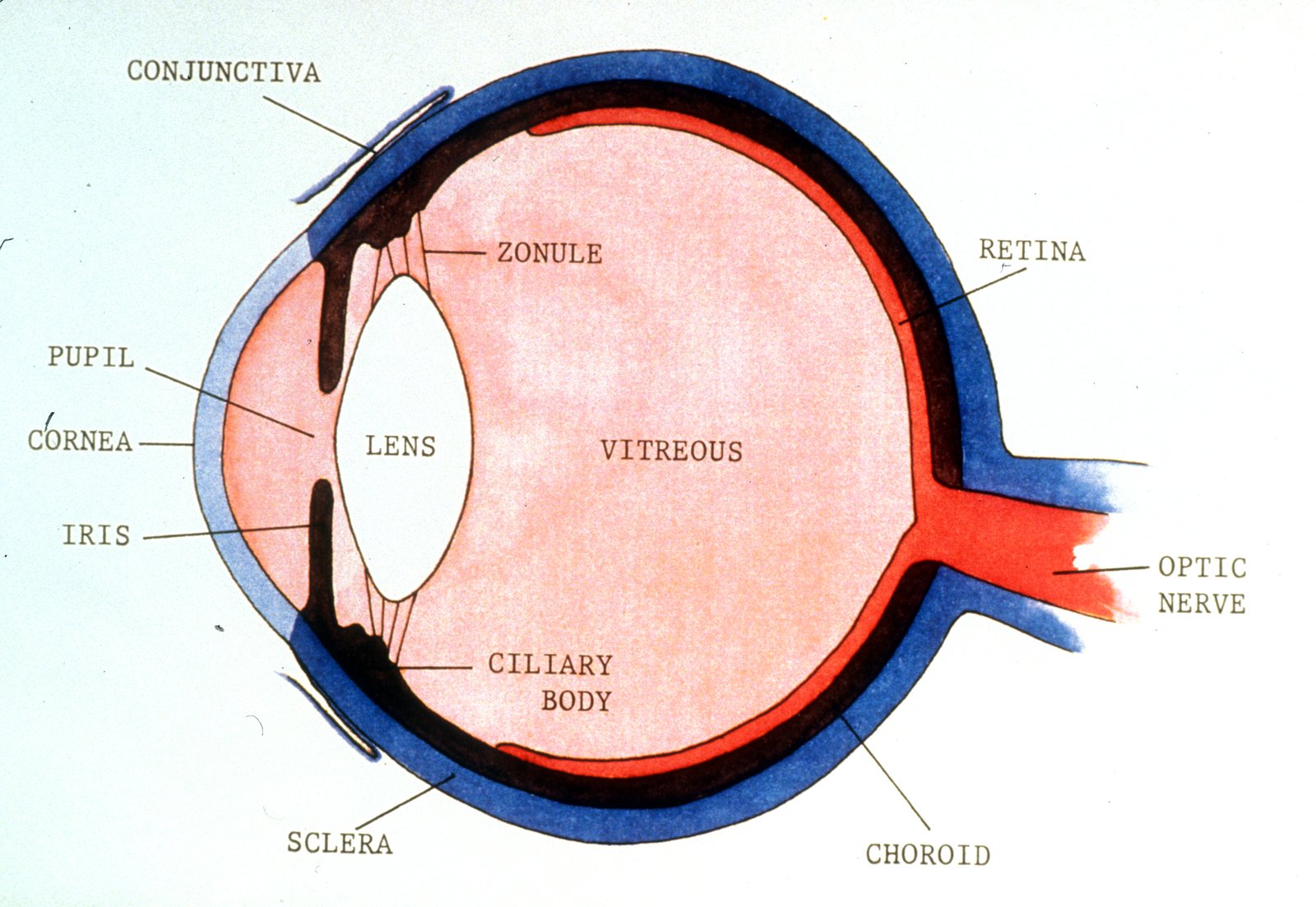
Anatomy and Physiology of the Nose

Differentiation of Symptoms and Signs:
Vision change
Pain and Itching
Redness and Swelling
Secretion and Tears
Upper Eyelid Droop--shang bao xia chui
The disease means there are difficulties in raising the upper eyelid that affect vision because the dropping eyelid covers the pupil partly or completely.
The disease is classified into two types: congenital and acquired.
The acquired type is usually due to injury to the levator muscle of the upper eyelid or oculomotor nerve or due to myasthenia gravis (weak muscles) of unknown etiology.
Clinical Manifestations
The eyelid is loosely dropping, and the patient finds it difficult to raise the eyelid.
The disease may affect one eye or both eyes.
In mild cases, the pupil is half covered. In severe cases, the upper eyelid entirely loses its ability to raise itself and covers the whole cornea.
The patient usually takes a characteristic posture with the head thrown back in seeing things.
Type and Treatment
(1) Type of insufficiency of the spleen-Qi.
Main Symptoms and Signs
It usually both the upper eyelids are dropping. The dropping is mild in the morning but gradually becomes severe. It becomes mild after resting but worse after working. In some cases , the disease may be accompanied by disturbance in eye movement.
Other symptoms include lassitude, general weakness, pale and thick tongue with tooth print, thin and white fur, small and weak pulse.
Therapeutic Method: Strengthening the spleen and benefit eyes.
.
Bu zhong Yi qi Tang
Ren Shen 9 g
Huang Qi 12 g
Bai Zhu 9 g
Zhi Gan Cao 3 g
Dang Gui 6 g
Chen Pi 6 g
Sheng Ma 3 g
Chai Hu 3 g
(2) Invasion of channels and vessels by pathogenic wind.
Symptoms and Signs:
Sudden onset and obvious dropping of upper eyelid, which usually affects one eye. There is hypoesthesia or anesthesia in the eyelid skin, with disturbance in eye movement, headache, and feeling of fullness in the head.
The tongue is pink with thin white fur and the pulse floating.
Therapeutic Method: Expelling wind, regulating blood flow and removing obstruction in the channels
Jing fang bai du san Modified
Plus: Bai zhu 10g, Dang gui 10g, Bai shao10g
Stye – Zhen yan
Stye(external Hordeolum) is a kind of acute inflammatory infection of the glands of the eyelids.
Clinically the mainly the symptoms of swelling, pain and induration (hardness) in the infected part of the eyelids.
Clinical Manifestations
At the early stage, there is pain in the eyelids which is followed by local swelling and redness. Nodule may be palpated with tenderness.
In the later stage yellow or yellowish pustule is formed at the part of the eyelash roots.
Type and Treatment
1. Pathogenic Wind-heat Invasion of Eyelid
Main Symptoms and Signs
Main Symptoms and Signs:
Local slight redness, swelling and itching of the eyelid with a palpable induration at the initial stage,
often accompanied by headache and fever; thin yellowish tongue coating and floating rapid pulse.
Therapeutic Method: Removing pathogenic wind-heat.
The Modified Yin Qiao San
Jin Yin Hua 9 g
Lian Qiao9 g
JieGeng6 g
Bo He 6 g
Zhu Ye 4 g
Niu Bang Zi 9 g
Gan Cao 5 g
Jing Jie5 g
Dan Dou Chi 5 g
All herbs are cooked with Lu Gen
Modification
severe pathogenic wind, Sangye 10g and of Juhua10g are added;
severe pathogenic heat, more Jinyinhua and Lianqiao are applied plus 10 g of Huangqin;
pain is serious, of Ruxiang 6g and of Moyao 6g
2. Syndrome of Pathogenic Heat Invasion of Eye
Main Symptoms and Signs:
Local redness, swelling and severe pain in the eyelid, larger palpebral induration with a burning sensation, tender pain and a visible yellow-white pus head,
often accompanied with fever, thirst, constipation and yellowish urine; yellowish tongue coating and rapid pulse.
Therapeutic Methods: Removing noxious heat and purging fire.
The modified Huang lian Jie du Tang
Huanglian 6 g, Huangqin 10 g, Huangbai 10 g, Zhi Zi 10g
Plus: Pugongying 15 g, Zihuadiding 15 g, Danggui 10 g, and Mudanpi 10 g.
Modification
constipation Dahuang 6 g
with thirsty feeling, Tianhuafen 10 g;
local eyelid being purple and dark Ruxiang 6 g of and Moyao 6g
if the pus is not ruptured(broken), Zaojiaoci 6 g
3. Syndrome of Latent Pathogenic Heat in Spleen and Stomach
Main Symptoms and Signs:
Mild redness, swelling and pain in the eyelid and a small induration which does not rupture for a long time or ruptures without any healing.
Therapeutic Method: Strengthening Spleen qi to eliminate pathogen heat.
The modified Bu Zhong Yi Qi Tang
Ren Shen 9 g
Huang Qi 12 g
Bai Zhu 9 g
Zhi Gan Cao 3 g
Dang Gui 6 g
Chen Pi 6 g
Sheng Ma 3 g
Chai Hu 3 g
Plus: Zaojiaoci 6 g, Jinyinhua 10 g, Huangqin 10 g, Fangfeng 6 g.
Modification
If the redness and swelling is obvious, Pugongying 15 g and Lianqiao 10 g are added.
4. Syndrome of Asthenia of Spleen and Stomach
Main Symptoms and Signs:
Common attack in children with redness, swelling and mild pain of the eyelid, a small induration and easy recurrence, accompanied by dim complexion, tired, anorexia and loose stool; pale tongue and thin pulse.
Therapeutic Methods: Strengthening the spleen and nourishing qi removing pathogen.
The Modified Shen ling Bai zhu san
Ren Shen 10 g
Bai Zhu 10 g
Fu Ling 10 g
Shan Yao 10 g
Zhi Gan Cao 10 g
Bai Bian Dou 7.5 g
Yi Yi Ren 5 g
Lian Zi 5 g
Sha Ren 5 g
Jie Geng 5 g
Plus: Fangfeng 6 g, Jingjie 6 g, Lianqiao 10 g, and Jinyinhua 10 g.
Modification
For the indigestion, Shenqu 10 g, Shanzha 10 g, Maiya 10 g and Ji nei jin 6 g
stagnant pathogenic heat, Zhimu10 g and Huangqin 10 g are added.
External Therapies
(1) Damp-heat Compress: For initial hordeolum or cases without suppuration, this hot-moistening compress is applied to the affected eye with hot water or the hot solution from the dregs of the oral decoction.
(2) The infectious eye put with the Xiong Huang powder mixed with vinegar.
(3) For hordeolum at the initial stage, a proper amount of Pugongying is pounded and compressed on the sick part of the eye.
Dry Eyes Syndrome - Gan yan zheng
Dry eyes is a lacrimal film abnormality caused by decreased lacrimal secretions, or hyperactive lacrimal evaporation.
The condition is present with symptoms of discomfort in the eye which may accompany ocular surface diseases.
If patients have isolated symptoms of dry eyes, they may recover with rest or short-term use of artificial tears.
If there is no presence of ocular surface damage and/or any other local or systemic causes, it is called simple dry eyes.
Clinical Manifestations
Common ocular symptoms include sensation of foreign bodies in the eyes, dryness, burning, swelling, photophobia, redness, and so on.
If there are symptoms, patients should be asked in detail their history, in order to find the underlying cause.
Dry eye may not affect the visual acuity in early stages, and at later stages, lead to a corneal ulcer, corneal thinning, perforation, and in some cases a secondary bacterial infection.
Type and Treatment
(1) Insufficiency of Lung Yin
Main Symptoms and Signs:
Dry eyes, unable to see for an extended time, mild hyperemia of the conjunctiva, point lesions of the corneal superficial layer, relapse and poor recovery,
dry cough, dry pharynx and constipation, red tongue, and dry, thready rapid pulse.
Treatment Principle:
Enrich yin and moisten the lung, nourishing eyes
Yang Yin Qing Fei Tang
Mu dan pi 10g
Bai shao 10g
Gan cao10g
Sheng di 15g
Bo he 6g
Xuan shen 10g
Mai men dong 15g
Bei mu 10g
Tai zi shen 15g
Wu wei zi 10gWith dry throat and mouth add bei sha shen 15g and shi hu 10g
With constipation add jue ming zi 15g
(2) Liver-Kidney Yin Deficiency
Main Symptoms and Signs:
Dry eyes with discomfort, photophobia, symptoms increased after prolonged use, dry mouth with scant saliva,
lumbago, weak and/or painful knees, dizziness and tinnitus, insomnia with profuse dreams, red tongue with little coating, thready pulse.
Treatment Principle
Nourish the liver and kidney, nourishing eyes
QI Ju Di Huang Wan
Gou qi zi 15g
Ju hua 10g
Shu di 10g
Shangzhuyu 10g
Shangyao 15g
Ze xie 19g
Fu ling 10g
Mu dan pi 10g
With dry mouth add mai men dong 10g, xuan shen 10g
With hyperemia of conjunctive add sang bai pi 9g , di gu pi 10g
Tearing syndrome--lei yi zheng
Dysfunction of the lacrimal apparatus without any organic pathologic change of the lacrimal passage.
When the lacrimal passage is douched, the fluid passes freely.
Clinical Manifestations
No red or swelling eye, time to time tearing ,which may become worse when the eye is exposed to wind, but with no photophobia.
Type and Treatment
(1) liver Blood deficiency with wind attacking
Symptoms and Signs:
tearing time to time ,which may become worse when the eye is exposed to wind,
blurred vision, dizziness, pale face
deep and thready pulse, pale tongue.
Treatment Principle:
tonifying the liver, dispersing wind arresting of secretion and controlling tears.
Shu di 10g
Chuang xiong 10g
Bai shao 12g
Dang gui 12g
Ju hua 8g
Fang feng 10g
Bai zhi 10g
(2) Type of Qi and blood deficiency.
Tearing time to time, thin and clear, eyes tired when use longtime
blurred vision, dizziness, pale face, short of breath,
pale tongue, deep and thready pulse,
Treatment Principle:
tonifying Qi and blood, arresting of secretion and controlling tears.
Ba zhen Tang
Ren shen 10g
Bai zhu 12g
Fu ling 10g
Zhi Gan cao 6g
Shu di 10g
Chuan xiong 10g
Bai shao 12g
Dang gui 12g
If tearing worse when the eye is exposed to wind, adding Bai zhi 10g, fang feng,10, Juhua 8g
If more cold, adding Xi xin, Guizhi, Ba ji tian
(3) Type of Kidney and liver deficiency.
Tearing time to time, thin and clear
blurred vision, dizziness, tinnitus, pale face, low back soreness,
pale tongue, deep and thready pulse,
Treatment Principle:
tonifying kidney and liver, arresting of secretion and controlling tears.
Zuo gui wan
Shu Di Huang 24g
Shan Yao 12g
Gou Qi Zi 12g
Shan Zhu Yu 12g
Chuan Niu Xi 12g
Tu Si Zi 12g
Lu Jiao Jiao 12g
Gui Ban Jiao 12g
If more Tearing add wu wei zi and fangfeng
If more cold feeling, add ba ji tian, rou cong rong
Acute Conjunctivitis
Acute conjunctivitis is a common ocular disease as a result of bacterial infection. The disease is very infective and often epidemic in the warm seasons of a year.
Clinical Manifestations
( 1) The symptoms in mild cases include itching and uncomfortable feeling of the affected eye. In severe cases, there is photophobia with a burning and heavy sensation of the eyelid.
( 2) Congestion occurs, even with edema, swelling of the lid and large amount of mucous and purulent secretion in the conjunctival sac. In some cases, there may be hemorrhage.
(3) The disease is usually of bilateral type or one eye after another.
Usually, a mild start comes to its utmost in 3 to 4 days and relieves in 8 to 14 days.
Type and Treatment
1 . Syndrome of Pathogenic Wind Exceeding Pathogenic Heat
Main Symptoms and Signs
Slight swelling of the lid, mild redness of the bulbar conjunctiva with itching and unsmooth feeling, photophobia and more tears, headache and stuffy nose, fever and aversion to wind; thin and whitish or light yellowish tongue coating and floating pulse.
Therapeutic Method Expelling wind -heat.
The modified Qiang huo Sheng Shi Tang
Qiang Huo 6 g
Du Huo 6 g
Fang Feng 3 g
Gao Ben 3 g
Chuan Xiong 3 g
Man Jing Zi 2 g
Zhi Gan Cao 3 g
Plus:
Jingjie 6 g,
Chaihu 6 g,
Bohe 6 g,
Baizhi 6 g,
Chuanxiong 6 g,
Modification
In the cases of less pathegenic wind, Qianghuo and Duhuo are removed
obvious pathogenic heat, add Jinyinhua , Lianqiao10 g and Juhua 6.
2. Syndrome of Pathogenic Heat Exceeding Pathogenic Wind
Main Symptoms and Signs
Serious redness and swelling of the bulbar conjunctiva with hot tears and mucopurulent secretion, eye lids swelling, restlessness and thirst, yellowish urine and constipation; red tongue with yellowish coating and rapid strong pulse.
Therapeutic Method
Removing pathogenic heat and fire accompanying dispelling wind.
The modified Xie Bai San
Di gu pi 10g
Sang Bai pi 10g
Gan Cao 3 g
Plus Shigao 20 g,
Huang qin 10 g,
Lian qiao 10 g,
Jing jie 6g,
Fang feng 6 gModification
In the cases of excessive toxic heat, Jinyinhua10 g and Pugongying15 g and Yuxingcao 15 g are added;
in the cases of serious constipation, Dahuang 10g of and Mangxiao6 g are added.
Fumigation-washing Method
20 g of Yejuhua and 60 g of Pugongying , Cheqiancao , Zihuadiding , all the ingredients are decocted with water for the fumigation and washing of the eye once or twice every day.
It is applicable to the severe cases of the disease.
Senile Cataract
Senile cataract is one of the most common of acquired cataracts which is a manifestation of senile degeneration.
Senile cataract, a type of common cataract, is one of the major causes of blindness worldwide at present. It is Clinically defined as an opacity of the lens of the eye with progressive deterioration of vision.
The prevalence of the disease is often seen in the aged above 50 and its incidence usually increases with age.
The on setting age of 60 % to 70% patients of the disease is over 50 to 60 and that of 80% patients over 70.
Clinical Manifestations
At the early stage, the patient complains of black shadows occupying a fixed position in the visual field.
Usually, monocular(one eye) diplopia(double vision), or refraction change may occur.
The occurrence of visual disturbance depends upon the position which the opacities occupied in the lens.
The disease progresses slowly. Finally it may causes of blindness.
Type and Treatment
(1) Type of deficiency of the liver and kidney.
Symptoms and Signs: Senile weaker, blurred vision, dizziness and tinnitus, sorenese in loins and knees, pale tongue, and small, weak pulse.
Therapeutic Method: Tonifying the liver and kidney.
The modified Qi ju Di huang wan or You gui Wan
Gou qi zi10 g
Ju hua10g
Shu Di Huang 10g
Shan Zhu Yu 10g
Shan Yao 10g
Fu Ling 10g
Ze Xie10g
Mu Dan Pi 6g
Lu Jiao Jiao 12 g
Rou Gui 60–12 g
Fu Zi 6–18 g
Shu Di Huang 24 g
Shan Yao 12 g
Shan Zhu Yu 9 g
Gou Qi Zi 12 g
Tu Si Zi 12 g
Du Zhong 12 g
Dang Gui 9 g
(2) Type of Insufficiency of Spleen-Qi
Symptoms and Signs:
Blurred vision, listlessness, lassitude of the extremities, sallow complexion, poor appetite and loose stools, pale tongue with white fur, and slow or small weak pulse.
Therapeutic Method: Invigorating the spleen and replenishing Qi .
The modified Bu zhong Yi qi Tang
Ren Shen 9 g
Huang Qi 12 g
Bai Zhu 9 g
Zhi Gan Cao 3 g
Dang Gui 6 g
Chen Pi 6 g
Sheng Ma 3 g
Chai Hu 3 g
Modification In the cases of spleen asthenia with damp retention and loose stool, the drug Danggui is removed and Biandou10 g of and Yiyiren 10 g of are added.
(3) Syndrome of Ocular Invasion by Liver Heat
Main Symptoms and Signs Opacity of lens, dim eyesight, headache, dryness of eye, bitter taste in the mouth and dry throat; thin yellowish tongue coating and thready rapid pulse.
Therapeutic Methods Removing heat and calming liver.
The modified Long dan xie gan tang
Long Dan Cao 6 g
Huang Qin 9 g
Zhi Zi 9 g
Ze Xie 12 g
Mu Tong* 9 g
Che Qian Zi 9 g
Dang Gui 3 g
Sheng Di Huang 9 g
Chai Hu 6 g
Sheng Gan Cao 6 g
Modification
in the cases of serious dim vision, Gouqizi10 g and Juhua6 g are added.
(4) Syndrome of Yin Deficiency with Damp-heat
Main Symptoms and Signs Opacity of lens, dim vision, dryness sensation in the eye, thirst, and constipation, reddish tongue with greasy coating in the root part and thready or thready rapid pulse.
Therapeutic Methods Nourishing yin to removing heat and relieving epigastric distension to dispel pathogenic damp.
The modified Gan lu Xiao Du Dan
Hua Shi 10 g
Yin Chen Hao 10 g
Huang Qin 10 g
Shi Chang Pu 6 g
Chuan Bei Mu 6 g
Mu Tong* 8 g
Huo Xiang 10 g
She Gan 6 g
Lian Qiao 6 g
Bo He 6 g
Bai Dou Kou 6 gModification
In the cases of more dampness than heat, Cangzhu 10 g are added;
In the cases of yin deficient severely, Gou qi zi 10 g of and Nu zhen zi 10 g of are added.
Optic Atrophy
Optic atrophy is the loss of some or all of the nerve fibres in the optic nerve. It is an important sign of advanced optic nerve disease and is frequently seen in visual loss.
It is the final results of various diseases of the retina and optic nerve in serious conditions and can cause severe visual disturbance.
Clinically, the disease mainly manifests the symptoms of diminishment of vision, contraction of visual field and total blindness of the sick eye in severe cases.
Clinical Manifestations
(1) The vision is obviously diminished.
(2) The pupillary light reaction is slow or even disappears.
(3) The fundus examination finds that the optic disc becomes pale or whitish pale or wax yellow with clear or unclear boundaries, that the retinal vessels tum thin.
(4) The visual field is of concentric diminution which is obviously characterized by red and green diminution.
Type and Treatment
1 Type of deficiency of the liver and kidney.
Main Symptoms and Signs
Gradual diminishment of vision or even blindness,
accompanied by the general symptoms of dizziness, tinnitus, sleeplessness, dreaminess, lassitude in loin and legs, and night sweat; pale reddish tongue with whitish thin coating and deep thin pulse.
Therapeutic Methods: Nourishing the liver and kidney and improving eyesight
The modified Qi ju Di huang wan
Gou qi zi10 g
Ju hua10g
Shu Di Huang 10g
Shan Zhu Yu 10g
Shan Yao 10g
Fu Ling 10g
Ze Xie10g
Mu Dan Pi 6g
Modification
In the cases of severe dizziness, Tianma10 g is added;
in the cases of serious night sweat, 15 g of Longgu (to be decocted first) and 15 g of Muli ( to be decocted first) are added;
in the cases of serious sleeplessness and dreaminess, 10 g of Suanzaoren and 10 g of Yejiaoteng are added.
2. Syndrome of Deficiency of Spleen and Kidney Yang
Main Symptoms and Signs
Gradual diminishment of vision or even blindness,
accompanied by the general symptoms of pale complexion, cold body, lassitude in loin and legs, short breath, fatigue, poor appetite and loose stool; a pale tongue with whitish coating and a deep thin pulse.
Therapeutic Methods Nourishing the spleen and kidney and warming yang
Fuzi 5 g,
Dangshen 10
Baizhu 10 g,
Ganjiang 3 g,
Zhigancao 3 g
Rougui 2 g,
Buguzhi 10 g,
Huangqi 10 g
Modification In the cases of deficiency of essence and blood, Shudihuang, Shengdihuang, Danggui and Shanzhuyu, each 10 g, are added
3. Syndrome of Stagnancy of Liver Qi
Main Symptoms and Signs Dim eyesight,
often accompanied by the general symptoms of dizziness with a distending sensation in the eye, irritability, fullness in the chest and hypochondrium, bitter taste in the mouth and dry throat; pale or thin yellowish tongue coating and thready or rapid pulse.
Therapeutic Method Relieving stagnated liver qi.
The Dan zhi Xiao yao san
Mu dan pi 9g
Zhi zhi 9g
Chai Hu 9 g
Dang Gui 9 g
Bai Shao Yao 9 g
Bai Zhu 9 g
Fu Ling 9 g
Zhi Gan Cao 4.5 g
Sheng Jiang 6 g
Bo He 3 g
Modification
In the cases of severe fullness in the chest and hypochondrium, Zhike , Chuanlianzi , Xiangfu and yujin, each 10 g, are added;
in the cases of the sign of blood stasis, the Taohong Siwu Tang is added to the recipe.
4. Syndrome of Qi Stagnation and Blood Stasis
Main Symptoms and Signs Blurred vision or visual injury even with the loss of light perception due to the trauma in head and eye,
often accompanied by a general sign of blood stasis after trauma; dim-pale tongue with ecchymosis and thin whitish coating and thready unsmooth pulse.
Therapeutic Method Removing blood stasis and meridian obstruction by activating qi and blood circulation.
Xue fu Zhu yu Tang
Tao Ren 12 g
Hong Hua 9 g
Dang Gui 9 g
Chuan Xiong 5 g
Chi Shao Yao 6 g
Chuan Niu Xi 9 g
Chai Hu 3 g
Jie Geng 5 g
Zhi Ke 6 g
Sheng Di Huang 9 g
Gan Cao 3 g
Modification
In the chronic cases of asthenia of healthy qi, Huangqi15 g, Dangshen10 g and 10g Baizhu and 10g Chenpi are added.
Glaucoma
Glaucoma is an ocular disease caused by increase of intraocular pressure leading to the injury of the visual function.
It is classified into three categories.
They are primary glaucoma, congenital glaucoma and secondary glaucoma.
The first two categories involve both eyes while the secondary one occurs mainly in one eye.
Clinical Manifestations
First stage, following an emotional stress, there is mild headache, distention in the eye.
Second stage, there is distending pain in the eyeball, severe headache, nausea, vomiting and sudden diminution of vision due to rapid increase of the intraocular pressure.
Third stage, the intraocular pressure reduces as a result of treatment, the symptoms subside; the visual function improves; But if high intraocular pressure persists, the anterior chamber may become adherent.
Chronic stage, Repeated attacks would lead to extensive adhesion of the anterior chamber angles, which results in continuous increase of the intraocular pressure, marked diminution of vision, contraction of visual field. The chamber angle becomes narrower or closed. Gradually the vision will completely lose.
Type and Treatment
1. Syndrome of Excessive Fire of the Liver and Gallbladder
Main Symptoms and Signs Acute onset, headache, ocular swelling involving orbit, rapid deterioration of vision or even blindness, ciliary or bulbar conjunctival hyperemia, light green pupil, hard eyeball, and accompanied by nausea, vomiting, or fever with aversion to cold, yellowish urine and constipation; reddish tongue with yellowish coating and rapid pulse.
Therapeutic Methods Removing heat and fire and calming endopathic wind by cooling the liver.
The modified Long dan Xie gan Tang
Long Dan Cao 6 g
Huang Qin 9 g
Zhi Zi 9 g
Ze Xie 12 g
Mu Tong* 9 g
Che Qian Zi 9 g
Dang Gui 3 g
Sheng Di Huang 9 g
Chai Hu 6 g
Sheng Gan Cao 6 g
Modification
In the cases of serious vomiting, 10 gZhuru , 10g Banxia are added;
2. Syndrome of Phlegm-fire with Wind Disturbance
Main Symptons and Signs Acute onset, distending eyes and head, eye pain, light green pupil, swollen eyeball, full and oppressed sensation in the chest and stomach, nausea, vomiting, frequent vertigo, yellowish urine and constipation; reddish tongue with yellowish greasy coating and slippery-rapid pulse.
Therapeutic Methods
Removing phlegm-fire and calming endopathic wind from the Liver.
The modified Wen dan Tang
Banxia 10 g,
Chenpi 10 g,
Fuling 12 g,
Zhu ru10g
Zhishi 10 g,
Shengjiang 10g
Da zao 2p
Plus:
Huangqin 10 g,
Baijiangcan 6 g,
Dahuang 10 g,
Cheqianzi 10 g, and
Mutong 6 g.
Modification
In the cases of serious vertigo, 10 g of Tianma is added;
in the cases of severe fullness in the chest and stomach, Zexie , Laifuzi and Baijiezi, each 10 g, are added.
Optic Neuritis
Optic neuritis is a kind of pathogenic change of the optic nerve which is characterized by diminishment of vision and the corresponding changes of visual field.
The disease is usually seen in young and middle aged people. It usually attacks both eyes.
The main manifestations of the disease in clinic are abrupt diminishment of vision and even blindness.Clinical Manifestations
Optic Neuritis has an acute onset and quick loss vision until blindness.
The fundus examination shows papillary hyperemia and edema with ill-defined margins, edema and turbidity of the adjacent retina with small amounts of flame-shaped hemorrhage and greyish white soft exudate spots. The central veins of the retina are filled and tortuous.
Type and Treatment
1. Syndrome of Hyperactivity of Liver Fire
Main Symptoms and Signs
Abrupt visual diminishment or even blindness of the affected eye, tenderness of eyeball and pain in the deep eyeball in movement;
accompanied by the general symptoms of headache, dizziness, tinnitus and bitter taste in the mouth; reddish tongue with yellowish coating and wiry rapid pulse.
Therapeutic Method Removing liver fire.
The modified Long dan Xie gan Tang
Long Dan Cao 6 g
Huang Qin 9 g
Zhi Zi 9 g
Ze Xie 12 g
Mu Tong* 9 g
Che Qian Zi 9 g
Dang Gui 3 g
Sheng Di Huang 9 g
Chai Hu 6 g
Sheng Gan Cao 6 g
Plus: Ju hua 10g
Modification
In the cases of severe congestion and edema of optic papilla, Mudanpi10 g and Chishaoyao10 g are added;
in the cases of massive hemorrhage of retina, Baimaogen 20 g is added.
2. Syndrome of Stagnation of Qi and Blood
Main Symptoms and Signs
In addition to the same ocular symptoms as the above one, the other common symptoms include emotional depression, distending pain in chest and hypochondrium, loss of appetite; dark reddish tongue with wiry unsmooth pulse.
Therapeutic Methods Soothing depressed liver and activating qi and blood circulation.
The modified Chai hu Shu gan san
Chai Hu 6 g
Chen Pi 6 g
Xiang Fu 4.5 g
Zhi Ke 4.5 g
Chuan Xiong 4.5 g
Bai Shao Yao 4.5 g
Zhi Gan Cao 1.5 gPlus:
Yujin 10 g,
Shengdihuang 10 g,
Honghua 10 g,
Lianqiao 12 g,
•Modification
•In the cases of pathogenic fire due to stagnation of liver qi, 10 g of Zhizi Mudanpi and Huangqin are added.